Introduction
The transition towards renewable energy sources is no longer just a trend; it’s an obligation. As industries face mounting pressure to reduce carbon footprints and embrace sustainability, designing efficient industrial solar power systems has emerged as a leading solution. From factories to warehouses, the integration of solar panels into commercial infrastructures not only enhances operational efficiency but also provides substantial cost savings in the long run.
In this article, we will explore various aspects of industrial solar power systems, including their design, installation, benefits, challenges, and financial considerations. We’ll delve into the types of solar panels suitable for factories, the process of factory solar panel installation, and how manufacturing solar energy can transform your business landscape. So, let’s dive deeper into the world of industrial solar energy solutions!
Understanding Solar Panels for Factories
What are Solar Panels for Factories?
Solar panels for factories are photovoltaic devices specifically designed to convert sunlight into electricity for industrial use. These panels can be mounted on factory roofs or ground-mounted systems to harness solar energy efficiently. Unlike residential installations, industrial systems require larger capacities and robust technology to meet high-energy demands.
Types of Industrial Solar Panels
When considering industrial solar installation, several types of panels are available:
- Monocrystalline Panels: Highly efficient and ideal for limited space. Polycrystalline Panels: Less expensive but slightly lower efficiency. Thin-Film Panels: Lightweight and flexible but generally less efficient.
Each type has its industrial energy solutions pros and cons depending on factors like space availability and budget constraints.
Benefits of Using Industrial Solar Panels
Cost Savings: Reduced electricity bills due to self-generated power. Sustainability: Lower carbon emissions contribute positively to environmental goals. Energy Independence: Reduces reliance on grid electricity. Government Incentives: Many regions offer tax benefits or rebates for industrial solar initiatives.Factory Solar Panel Installation Process
Planning Your Installation
Before committing to factory solar panel installation, conducting a thorough energy audit is crucial. This helps identify your energy needs and how much solar power you will require.
Key Steps in Planning:
- Assess your current energy consumption Determine the available roof space or land area Evaluate local regulations regarding solar installations
Choosing the Right Commercial Solar Panel Installers
Selecting qualified commercial solar panel installers is paramount for ensuring optimal performance and reliability. Look for installers with experience in industrial projects and those who offer warranties on both products and installation services.
Installation Timeline
Installation timelines can vary based on project size and complexity but generally follow these phases:
Site Assessment Design Approval Installation Inspection CommissioningExpect calculating ROI for factory solar systems a complete installation process to take anywhere from a few weeks to several months.
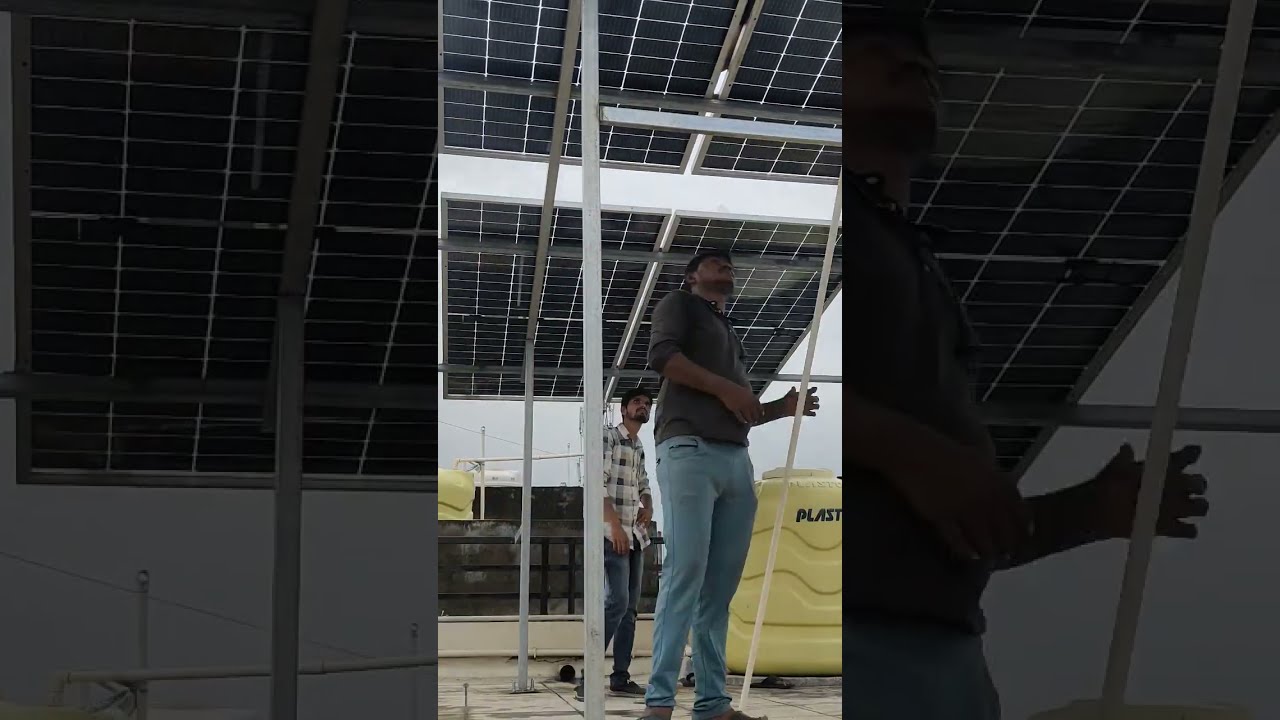
Manufacturing Solar Energy – A Game Changer
How Manufacturing Solar Energy Benefits Factories
Manufacturing facilities that adopt solar technologies witness multiple advantages:
- Increased profitability through reduced operational costs Enhanced brand image as environmentally responsible entities Compliance with sustainability regulations
Case Studies: Successful Implementations
Several manufacturing companies have successfully implemented large-scale solar projects:
Example: XYZ Corp
- Installed 5 MW system Achieved 40% reduction in energy costs
This illustrates how effectively integrating manufacturing facility solar solutions can yield substantial financial rewards.
Commercial Solar Panels UK: Key Considerations
Regulatory Framework for Commercial Installations
In the UK, various regulations govern commercial rooftop installations:
- Feed-in Tariffs (FiTs) Renewable Heat Incentive (RHI)
Understanding these regulations helps maximize financial incentives related to commercial installations.
Cost Analysis of Commercial Solar Panels in the UK
Analyzing factory solar panel costs involves understanding upfront investment against long-term savings:
| Cost Component | Estimated Cost (£) | |----------------------------------|---------------------| | Equipment | 200,000 | | Installation | 50,000 | | Maintenance | 10,000/year |
While initial costs may seem steep, ROI calculations show that average payback periods range from 5 to 10 years depending on usage patterns.
Solar Energy Solutions for Warehouses
Warehouse Solar Panel Installation: A Practical Approach
Implementing warehouse solar energy systems requires careful planning around space utilization. Roofs often provide ideal locations without disrupting operations below.
Steps Involved:
Site survey Structural assessment of roof capability Designing panel layoutsBy adhering to these steps, businesses can enjoy significant savings on energy expenditures while utilizing otherwise wasted rooftop space.
Industrial Solar Energy Solutions Overview
Types of Industrial Solar Energy Systems Available
Industrial setups typically implement two types of systems:
Grid-Tied Systems: Allow excess power generation sent back to the utility grid. Off-Grid Systems: Ideal where grid access is limited or unreliable.Evaluating which system suits your needs depends on location specifics and operational requirements.
Challenges in Implementing Industrial Solar Solutions
Initial Capital Costs: Despite long-term savings potential, upfront investments can hinder adoption. Space Limitations: Not all facilities have adequate roof space or land available. Regulatory Hurdles: Navigating permits often adds complexity.Addressing these challenges involves meticulous planning while leveraging available financial incentives such as grants or loans specific to industrial applications.
Factory Energy Solutions Beyond Just Solar Power
While designing efficient industrial solar power systems primarily focuses on photovoltaic technology, other renewable options should also be explored:
Wind Turbines Biomass Heating HydroelectricityUtilizing a combination creates more holistic sustainability strategies within manufacturing environments—leading toward greater operational resilience against fluctuating energy prices over time!
Financing Options for Factory Solar Projects
Investments in factory renewable energy solutions may seem daunting initially; however numerous financing opportunities exist that ease capital burdens:
1) Traditional Loans 2) Leasing Options 3) Power Purchase Agreements (PPAs)
Understanding each option empowers decision-makers when choosing how best fund installations while minimizing risks associated with ownership responsibilities post-installation phase completion!
Industrial Solar Panel Performance Monitoring
To ensure optimized functionality from installed panels post-deployment stage monitoring becomes essential among facility managers overseeing ongoing maintenance efforts enabling identification potential issues before they escalate into costly repairs down line!
Tools & Technologies Used:
1) Remote Monitoring Software 2) Performance Dashboards
These tools enable real-time insights regarding output levels making adjustments necessary maintain optimal efficiencies across entire operational scopes irrespective seasonal changes impacting sunlight availability throughout year-long cycles!
Conclusion
Designing efficient industrial solar power systems represents not merely an opportunity—it's an obligation aligned with broader sustainability objectives globally! By embracing renewable technologies like photovoltaic panels within factories/well-managed installations across various sectors companies not only achieve immediate cost reductions but also contribute positively towards combating climate change initiatives critical future generations ahead!